

Selecting the best cutting tools can be overwhelming. You can choose regarding material type, application, and many others. But worry not, here’s a complete guide on how to select the best cutting tools for your project.
Table of Contents
4 Tips to Select the Best Cutting Tools
If you’re stuck in your cutting tools selection process, here’s a useful guide that you can refer to.
1. Precision and Accuracy
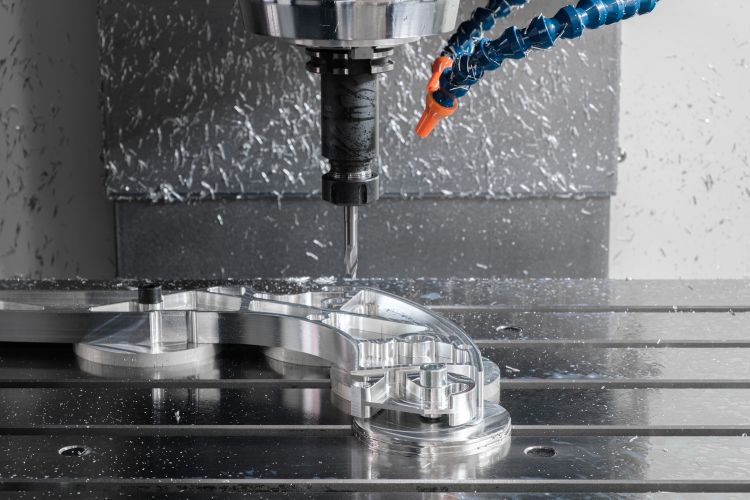
When you’re in the business of making cars, precision isn’t just a luxury—it’s a necessity. Imagine trying to fit two car parts together that are just a millimeter off. That tiny discrepancy can lead to bigger problems down the line, from assembly issues to performance hiccups.
That’s why the first thing to look for in a cutting tool is its ability to deliver precise, accurate cuts every single time. High-quality tools are engineered to cut with minimal deviation, ensuring that every part you produce meets the stringent quality standards of the automotive industry. It’s like having a trustworthy partner you can rely on, day in and day out.
2. Durability and Longevity
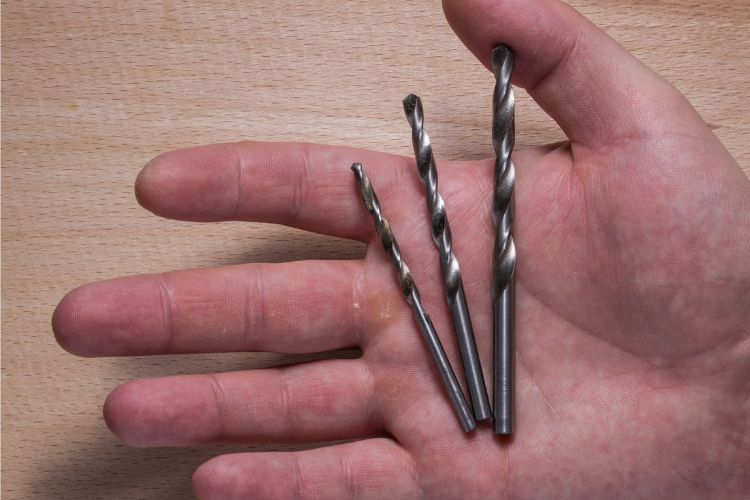
Let’s face it, no one likes frequent tool replacements. Not only is it a hassle, but it also disrupts your production schedule and eats into your budget.
That’s why durability is a crucial factor when selecting cutting tools. You want tools that can withstand the rigors of continuous use without losing their edge or breaking down. Think of tools made from carbide or high-speed steel (HSS); these materials are known for their strength and longevity.
Investing in durable tools means fewer stoppages, less downtime, and a more efficient production line. Plus, it’s just one less thing to worry about in your already busy schedule.
3. Cost-Effectiveness
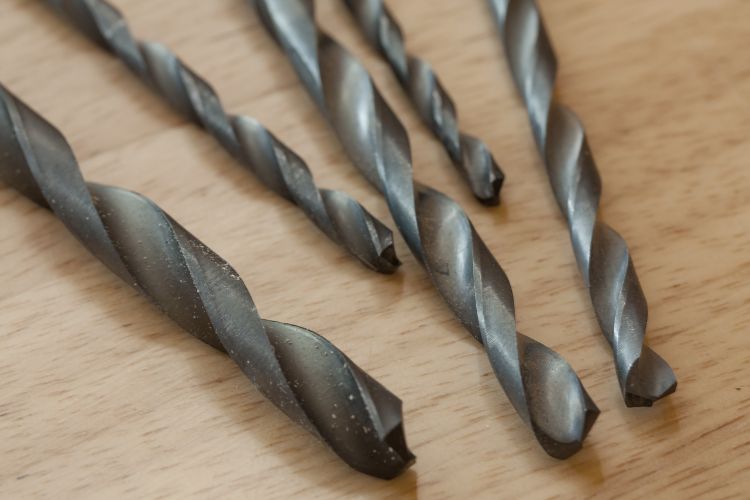
We all know that budget constraints are a reality in any manufacturing setup. But here’s the thing: opting for cheaper tools might save you money upfront, but it can cost you more in the long run.
Poor-quality tools wear out faster, require more maintenance, and can even lead to costly mistakes. On the other hand, investing in high-quality cutting tools might mean a higher initial outlay, but the long-term savings are significant. You’ll spend less on replacements and repairs, and the consistent quality of your parts will save you from expensive rework. In essence, it’s about being penny-wise and pound-foolish.
4. Ease of Maintenance
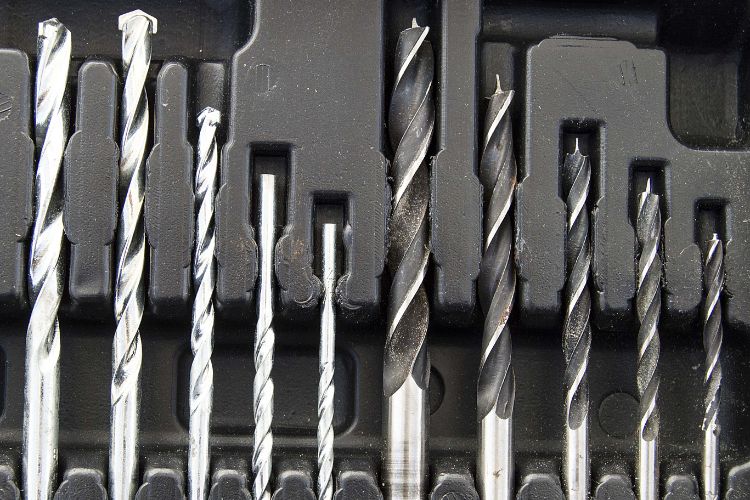
Let’s talk about maintenance. High-quality cutting tools are designed with ease of maintenance in mind. They often come with features that make them easier to clean, sharpen, and store. This means less downtime for maintenance and more time for production.
For instance, indexable cutting tools allow you to replace only the worn-out part rather than the entire tool, making maintenance quicker and more cost-effective. When your tools are easy to maintain, your team can focus more on producing high-quality automotive parts and less on tool upkeep.
Conclusion
In selecting the best cutting tool, it’s all about finding tools that deliver precision, withstand the demands of continuous use, offer value for money, and are easy to maintain. Each of these factors contributes to a smoother production process and higher-quality end products.